
Key Points:
- ABA for 2-year-olds can begin as soon as autism signs or developmental delays appear, making the toddler years a critical window for early support.
- Sessions are play-based and focus on communication, social skills, and daily routines.
- In New Jersey, families can access services through Early Intervention, insurance, or in-home ABA providers.
Worry starts to creep in when your 2-year-old is not talking much, avoids eye contact, or melts down over small changes. You may feel torn between “maybe they will catch up” and “what if I am missing something important.” Age 2 is often when early signs of autism become clear enough that caregivers start asking new questions.
A guide about ABA for 2-year-olds can help you sort out what to watch for, why early support matters, what therapy actually looks like for a toddler, and how New Jersey families can get help without feeling lost in the system.
 What Signs in a 2-Year-Old Might Point Toward Autism?
Many caregivers first notice concerns around language, eye contact, or how their toddler plays. By age 2, most children are starting to use at least two words together, follow simple directions, point to pictures in a book, and use a mix of gestures and words. When these skills are slow to appear, it can be a signal to look closer.
Common early autism signs in toddlers include:
- Limited spoken language: Few or no two-word phrases by 24 months, such as “more juice” or “go out.”
- Reduced eye contact or joint attention: Rarely looking between you and an object to share interest or excitement.
- Repetitive play: Lining up toys, spinning wheels, or focusing on parts of objects more than on people.
- Strong reaction to change: Big distress when routines, routes, or familiar objects change.
- Less response to name: Acting as if they do not hear you, even when hearing has checked out as typical.
These signs can show up in different combinations. Some children talk early but struggle with social interaction. Some have strong visual skills but big sensory reactions to sound or touch. A speech delay or sensory processing difference can overlap with autism signs, which is why a full evaluation is important rather than trying to label based on one behavior.
When several of these patterns appear together and persist over time, it is reasonable to ask the pediatrician for autism screening and possibly a referral for a developmental evaluation.
Why Age 2 Is A Critical Time For Early Support
A 2-year-old’s brain is changing very quickly. During the first three years, brain connections build rapidly in response to everyday experiences and relationships. Many experts describe this period as a time when the brain is especially ready to learn new communication, social, and daily living skills.
Professional groups recommend using this window. The American Academy of Pediatrics recommends autism-specific screening at 18- and 24-month visits so that children with early signs can be referred for services as soon as concerns arise.
Research on early intensive behavioral intervention shows that starting structured autism support in the toddler and preschool years can lead to gains in IQ, language, and adaptive skills, especially when therapy begins earlier rather than later.
In New Jersey, this timing lines up with the state’s Early Intervention System for children under 3. The New Jersey Early Intervention System (NJEIS) helps toddlers with developmental delays or diagnosed conditions access services during this high-growth stage, often in the home or community.
What Does ABA For 2-Year-Olds Actually Look Like?
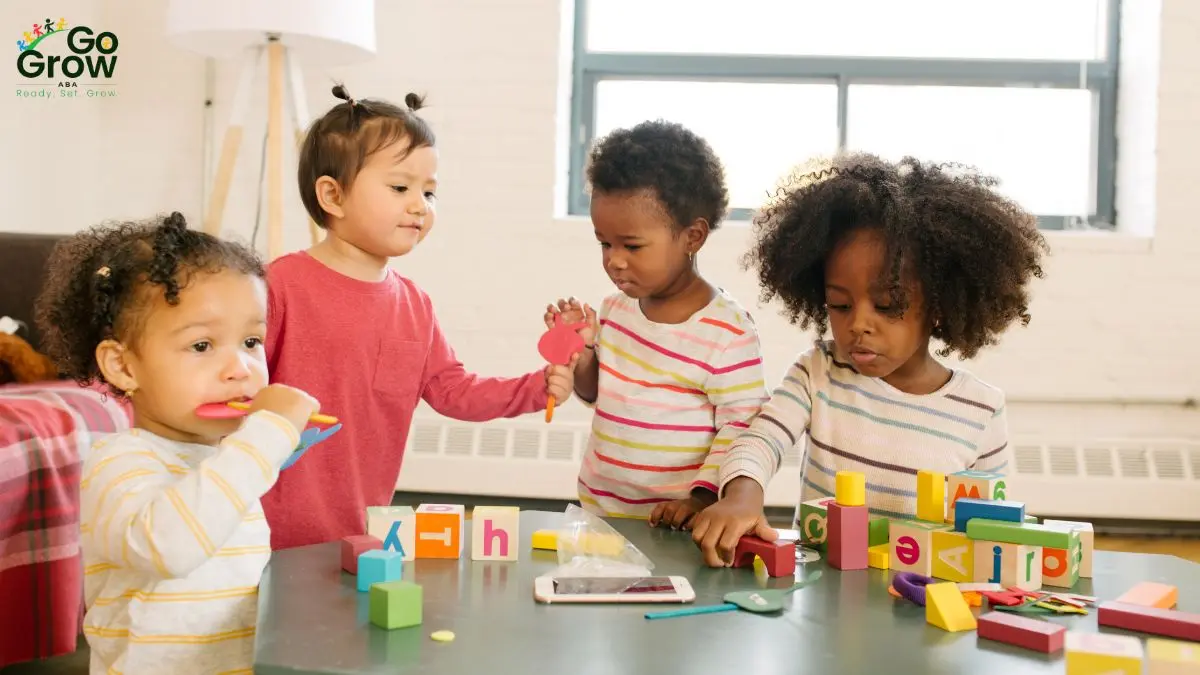
Many caregivers picture a 2-year-old at a small table doing repetitive drills. Modern ABA therapy for toddlers usually looks very different. Sessions for this age tend to feel like structured play mixed with daily routines your child already knows.
A therapist uses games, songs, toys, and gentle routines to build skills while your child feels engaged and safe. The work is planned and measured, but to a toddler, it often feels like playtime with a very patient adult who follows their interests and turns them into learning moments.
Core Goals In ABA For 2-Year-Olds
Early ABA for toddlers often focuses on:
- Communication: Building simple words, signs, or picture systems so your child can request needs like “water,” “help,” or “break.”
- Social engagement: Encouraging back-and-forth play, sharing smiles, taking turns, and noticing what other people are doing.
- Daily routines: Practicing steps like washing hands, sitting at the table for a snack, or cleaning up toys in short, supported bursts.
- Safer behavior: Teaching alternatives to hitting, biting, or dropping to the floor, such as using a taught phrase or gesture to ask for help.
ABA sessions for young children are often shorter than for older kids, commonly ranging from 1 to 3 hours and taking place several days per week, one-on-one with a trained therapist under BCBA supervision.
In-home ABA therapy NJ families choose can bring the therapist into your living room, kitchen, or yard. That way, new skills grow in the same spaces where your toddler eats, plays, and rests, making it easier to use those skills outside sessions.
How The ABA Assessment Process Works For Toddlers
Before any goals are set, a Board Certified Behavior Analyst (BCBA) completes an assessment specific to very young children. That process usually includes several steps.
Typical parts of an ABA assessment for toddlers:
- Caregiver interview: Gathering history, daily routines, strengths, and concerns from the people who know the child best.
- Direct observation: Watching the toddler play, interact, and react in natural settings and during simple tasks.
- Standardized tools: Using formal checklists or rating scales that measure communication, social interaction, and adaptive behavior.
- Behavior review: Identifying behaviors that make learning or safety harder, such as self-injury or frequent eloping.
The BCBA then writes an individualized plan that lists specific goals, teaching strategies, and how progress will be measured. Two toddlers with the same diagnosis can have very different goals, because one may need more support with language while another needs more help with flexible play or sensory regulation.
In New Jersey, many fully insured health plans must cover ABA assessment and treatment for children diagnosed with autism under the state’s autism insurance mandate, which reduces some of the financial strain on families.
 The Role Of Parents In ABA Therapy For Toddlers
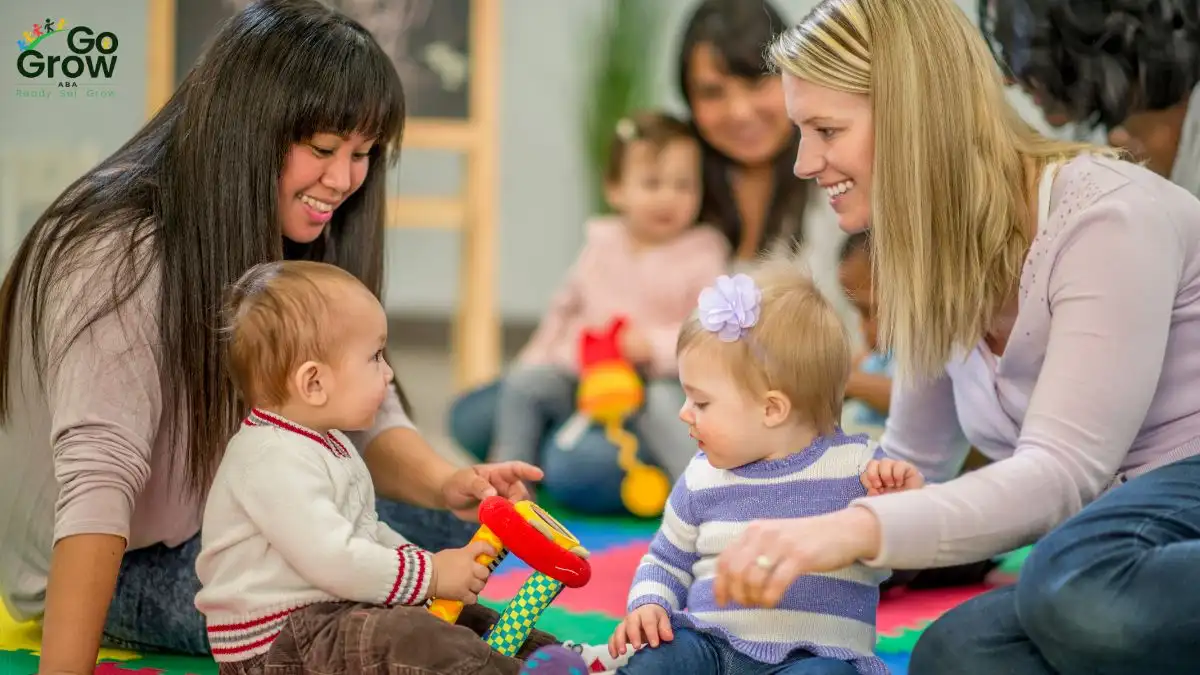
Parents and caregivers shape most of a 2-year-old’s day. ABA works best when therapy sessions and home life line up, so parent involvement is a core part of effective programs.
ABA parent training usually includes coaching on how to:
- Use everyday routines as practice: Turning meals, bath time, and car rides into chances to practice simple communication or following directions.
- Reinforce new skills: Giving clear, consistent praise and small rewards when a child uses a new word, gesture, or calm behavior.
- Respond to challenging behavior: Learning step-by-step responses that keep everyone safe and teach a more helpful replacement skill.
- Support generalization: Helping your child use skills with different people, in different rooms, and during different activities.
For many NJ families, parent training also offers a chance to ask questions about school placements, early intervention, and insurance, so the home team feels more prepared for what comes next.
What To Expect In The First Few Weeks Of ABA Therapy
The start of therapy can feel slow from the outside, especially if you are eager to see change. Those first weeks set the stage for later progress.
In many toddler programs, the first week focuses on “pairing.” The therapist spends time playing, following your child’s lead, offering favorite toys, and building a warm relationship. The goal is for your 2-year-old to see the therapist as someone safe and fun before any structured teaching begins.
Over the next several weeks, small goals roll in. You might see the therapist introduce a picture choice board, practice taking short turns, or shape one or two new words. Data is collected quietly throughout each session so the BCBA can see which strategies work well and where to adjust.
It is normal for early sessions to look simpler than you expected. Effective ABA for 2-year-olds builds from strong connections, clear routines, and tiny wins that add up over time.
How To Access ABA Therapy For Your Toddler In New Jersey
Once you decide you want more answers, it helps to know the basic steps in New Jersey.
Important pieces for NJ families include:
- Insurance coverage: New Jersey law requires most fully insured health plans to cover autism screening, diagnostic testing, and medically necessary ABA therapy for children and teens under 21.
- NJ FamilyCare: Children with an autism diagnosis who qualify for NJ Medicaid can receive ABA and related autism services through NJ FamilyCare’s ASD benefit from birth through age 21.
- Early Intervention for under-3s: Families with concerns about developmental delays in children younger than 3 can contact the New Jersey Early Intervention System directly for a free evaluation.
A common path looks like this:
- Talk with your pediatrician about your concerns.
- Request autism screening and, if indicated, a referral to a developmental pediatrician or psychologist.
- Contact NJEIS if your child is under 3, even while you wait for a full diagnosis.
- Once you have an evaluation, reach out to an ABA therapy provider in New Jersey for an intake and assessment.
Many providers offer in-home ABA therapy New Jersey-wide, which can help toddlers receive support where they spend most of their time.
 FAQs About ABA And Autism At Age 2
Is age 2 too early to start ABA therapy?
No, age 2 is not too early to start ABA therapy because the toddler years support fast learning, and early intervention studies link earlier, individualized services with stronger gains in language, social communication, and daily living skills than starting later. Age 2 ABA also fits natural routines through play-based, caregiver-supported practice.
What is the earliest age a child can start ABA therapy?
ABA therapy can start as early as 12–18 months when autism signs or developmental delays are present, because early-intervention models target the 12–48 month window and focus on learning through play and daily routines. Early access also aligns with New Jersey’s Early Intervention services for children under age 3.
What does mild autism look like in a 2-year-old?
Mild autism in a 2-year-old often shows as a consistent pattern of subtle social-communication differences and restricted interests across settings, not one isolated behavior. Mild autism signs can include limited joint attention, inconsistent response to name, repetitive language or echolalia, preference for solitary play, and strong distress with routine changes.
Take The Next Step Toward Early Support
Early questions about your 2-year-old’s development can feel heavy, but they also open the door to support, information, and new skills for your child and family. Age 2 is a powerful time to notice autism signs in toddlers, learn what early intervention ABA therapy can offer, and explore whether structured support matches what your child needs right now.
Go Grow ABA provides early childhood ABA therapy, in-home services, assessments, and ABA parent training for children and teens on the spectrum across New Jersey. Families seeking toddler autism therapy or ongoing support for older children can meet with our BCBA to discuss concerns and options in more detail.
If you are ready to explore ABA for 2-year-olds or have questions about next steps, reach out to schedule a conversation with our team.