Key Points:
- In-home ABA therapy can include practice with communication, handwashing, dressing, mealtime tasks, play, and cleanup.
- Goals should reflect each child’s current abilities, preferences, and daily needs.
- Using a skill with another person or in another place may require planned teaching and follow-up.
In-home ABA therapy can help children practice everyday tasks, from asking for help with a jacket to putting toys away after play. Applied behavior analysis, or ABA, uses teaching strategies to build skills around a child’s needs.
A household routine can contain several steps that a child is still learning. At Go Grow ABA, our in-home ABA therapy connects individual goals with daily activities. The six examples below show possible practice opportunities, not a checklist every child needs to complete.
 1. Asking for Help, Choices, and Breaks
Communication practice can focus on something a child needs to express during the day. A child might request help opening a toy, choose between two shirts, or communicate that they need a break.
Speech is one way to communicate. Gestures, pictures, signs, and communication devices also provide ways to express needs. Augmentative and alternative communication, or AAC, includes tools and methods that support or replace speech.
For example, a child might select “help” on their device when a toy needs fixing. The adult can respond to that message and help with the toy. A longer explanation of ABA communication strategies covers how communication goals can develop beyond these everyday requests.
2. Washing Hands Before Meals
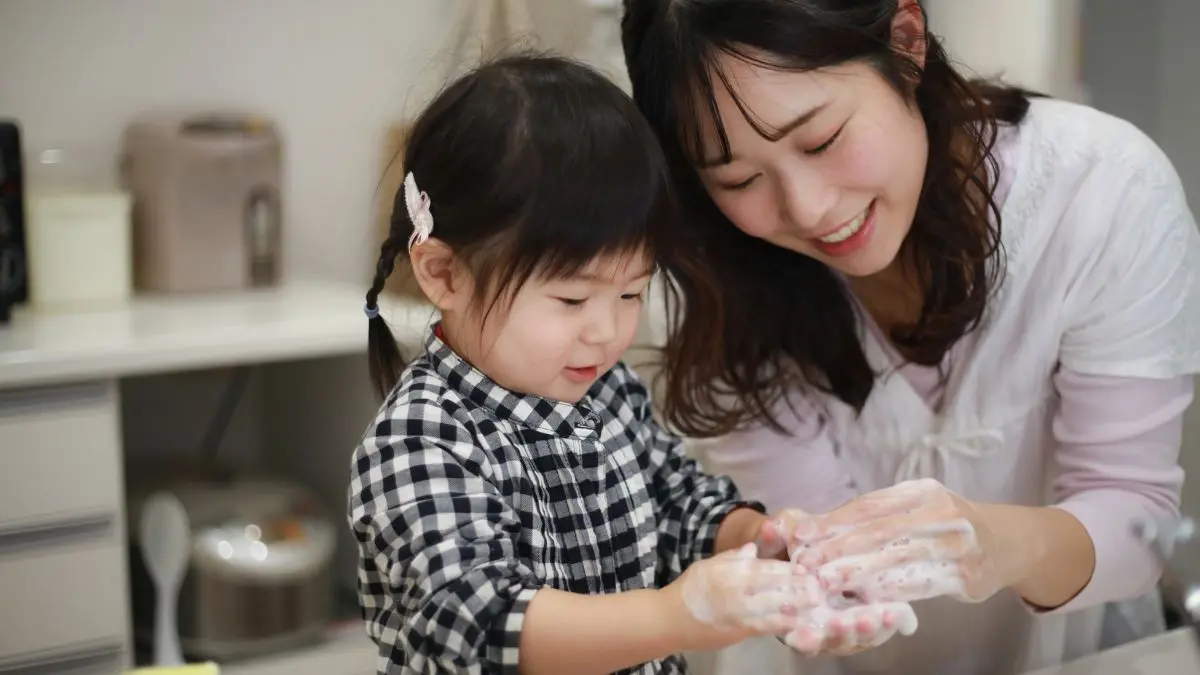
Handwashing offers a daily opportunity to practice a sequence. A child may already know how to turn on the faucet but need support with soap, scrubbing, or drying.
The CDC’s handwashing steps include wetting hands, applying and lathering soap, scrubbing for at least 20 seconds, rinsing, and drying. A teaching plan can divide that routine into smaller actions while preserving proper handwashing.
A picture sequence beside the sink might show what comes next. The teaching target could focus on the step the child needs help learning, with adult assistance for the remaining steps. Privacy, safe access to the sink, and comfortable water temperature belong in the routine too.
3. Getting Dressed for the Day
Dressing practice can focus on one part of getting ready. A child might work on finding a sleeve opening, pulling up trousers, or fastening a jacket.
Breaking a larger task into smaller actions is called task analysis. The steps depend on the learner’s abilities and the task itself. Putting on a loose shirt requires different actions from fastening buttons.
For example, an adult might help position a jacket while the child practices pulling an already-connected zipper upward. That example represents one possible teaching step, not a goal for every child.
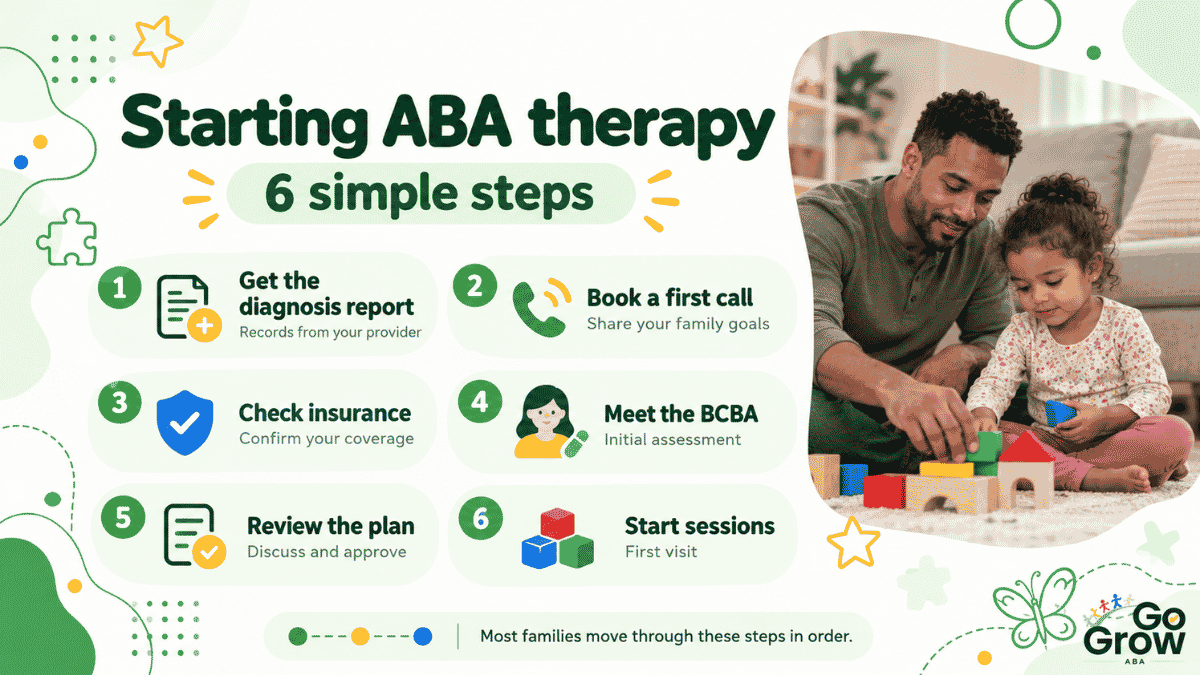
During our BCBA-led ABA assessment, we use observation, caregiver input, and assessment tools to understand current skills and develop treatment recommendations.
4. What Can Mealtime Practice Include?
Mealtime practice can include setting out a napkin, requesting a drink, using utensils, or carrying an empty plate to the kitchen. The target depends on the child’s abilities and treatment goals.
A snack routine might give a child a chance to choose a cup and bring it to the table. Another child might practice opening a familiar lunch container.
These examples concern participation in the meal routine. A child’s eating needs may also involve other services. Occupational therapy can address daily activities such as eating and dressing, so related goals need coordination when several professionals support the child.
 5. Taking Turns During Play
Turn-taking can involve a short exchange during an activity the child enjoys. Possible examples include rolling a ball back and forth, adding pieces to a shared train track, or alternating turns with a toy ramp.
For a child learning this skill, an adult might begin with one brief turn before returning the toy. A spoken cue or picture can help show whose turn comes next.
The activity should leave room for the child’s preferences. A child can communicate “finished,” choose another game, or keep some toys for individual play. Shared play does not need to take over every play activity.
6. Putting Toys Away After Play
Cleanup can give children practice with recognizing where items belong and completing a household task. A starting target might involve putting one block into a nearby bin.
“Clean your room” includes many separate actions. A smaller task, such as placing toy cars in their basket, gives the child a specific action to practice. A photo on the basket can show where the cars go.
Caregivers also need to understand the teaching support involved. Through our ABA parent training, we explain strategies and provide coaching for daily routines. Families can work with the team on how to support the chosen task between visits.
Will Home Practice Carry Over to School and Other Places?
Home practice does not automatically mean a child will use the same skill elsewhere. Generalization means using a learned skill with different people, materials, or settings, and it needs deliberate planning.
For example, washing hands at the kitchen sink may differ from washing them in a school bathroom. The faucet, soap dispenser, noise, and available help may all change.
A plan for practice in new settings can account for those differences. The team can identify the supports the child needs and check whether the skill occurs beyond the original teaching situation. Familiar surroundings offer practice opportunities; they do not guarantee transfer.
 FAQs About In-Home ABA Therapy
How long should practice last between sessions?
Practice length should follow the child’s treatment plan and ability to participate. Caregivers can agree with the team on brief opportunities within existing routines, including when to pause or finish. Every meal or play activity does not need to become a lesson.
Does my child need to stop using a picture checklist?
A picture checklist can remain available when it helps the child complete a task. Independence can include using a support without repeated adult reminders. Visual supports do not always need to be removed as learning progresses.
Can siblings join skill practice?
Siblings can join a shared activity when both children want to participate. A game might offer a chance to exchange turns, but an adult should remain responsible for teaching. Each child should also have opportunities for private play and personal belongings.
Bring Daily Routines Into Your Child’s ABA Plan
Daily skill practice should help your child participate in activities that serve their needs. A small task, appropriate support, and attention to the child’s comfort can give that practice a purpose.
At Go Grow ABA, we provide home therapy, assessments, and caregiver coaching for New Jersey families. Our team can talk through the routines you want help with and explain the next step toward services.