Key Points:
- Home ABA therapy benefits in NJ include skill practice within the child’s daily routines.
- Sessions usually start with caregiver updates, move into structured goals, track progress, and end with a parent debrief.
- The home setting helps therapists use familiar spaces, family routines, and real behavior patterns.
A first home visit can feel unclear when you’ve never seen ABA therapy happen in your living room. In-home ABA therapy in NJ follows a clear process from arrival to the final check-in.
In-home ABA support is structured, supervised, and built around your child’s routine. The therapist may work in a Montclair living room, an Edison kitchen, or a Cherry Hill play area. An adult caregiver needs to be home, even when the therapist leads.
 In-Home ABA Therapy NJ Session Flow at a Glance
In-home ABA therapy NJ usually follows a simple flow, though visits can look different by age. Here’s what to expect ABA at home:
- Therapist arrival and caregiver check-in. The therapist greets the child and asks for updates.
- Therapy space setup. The session starts in a safe area.
- Warm-up and pairing. The therapist builds trust through play, conversation, or preferred items.
- Skill-building. Goals are practiced through routines, play, or self-care.
- Data tracking. The therapist records responses during the visit.
- Parent debrief. The caregiver hears what happened and what comes next.
What the ABA Therapist Does When They Arrive
The beginning of an ABA therapist home visit in NJ sets the tone for the day. So, what happens first? The practitioner greets you and your child. Then you two catch up. You can share quick updates about sleep or meals. Maybe school went great yesterday. Perhaps a medication has changed recently.
The therapist reviews the schedule. They check if your child is ready to start. Sometimes a child needs a few minutes to transition away from a screen. The therapist asks where to begin. You might start in the living room or the kitchen.
The first five minutes are never wasted. They give the professional a chance to see how your child feels in the moment.
What Space Do You Need for Home ABA Therapy
A full therapy room is not required for in-home ABA in New Jersey. A small, clear area can work when it is safe and has fewer distractions. Apartments, townhomes, and shared spaces can still support home sessions.
Some goals need the real setting. Snack routines may happen in the kitchen. Handwashing may happen in the bathroom.
Helpful setup items include:
- A small table or floor area
- A few familiar toys or learning items
- Space for movement
- Access to routine-based areas
- Caregiver nearby but not hovering
The goal is a workable space where learning can happen.
How Skill-Building Happens During the Session
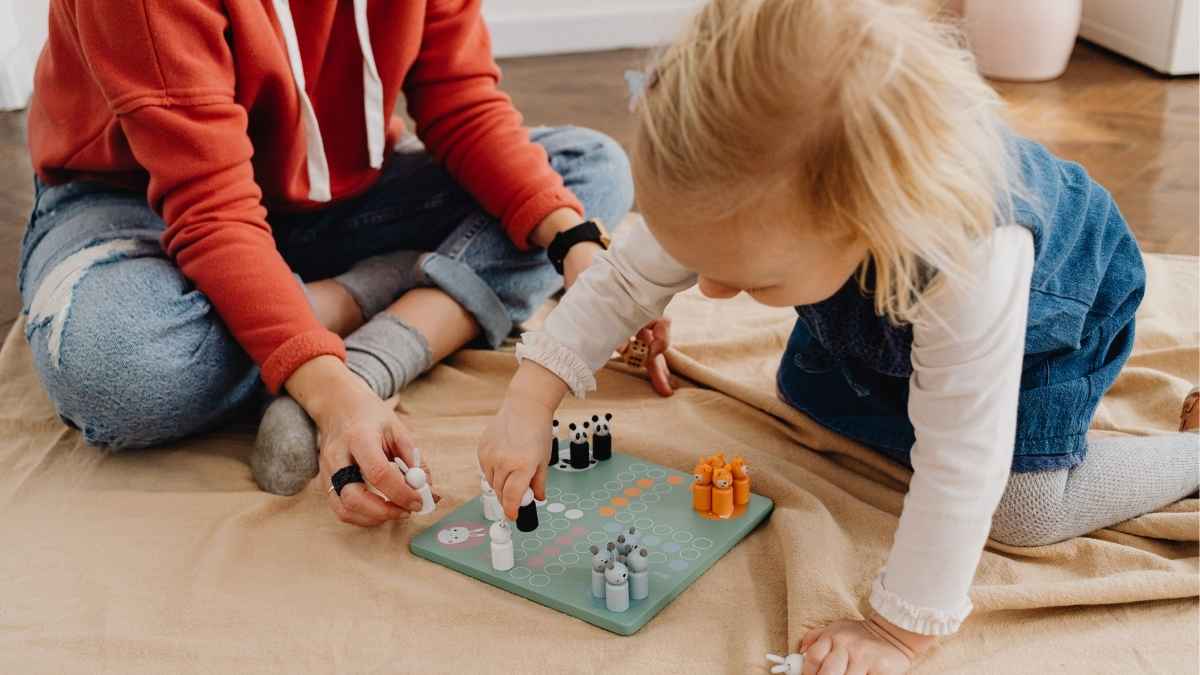
The practitioner guides activities based on target goals. A Board Certified Behavior Analyst (BCBA) creates these targets. A typical session of in-home behavior therapy in NJ looks like normal childhood play.
However, every single action has a specific purpose:
- The therapist uses prompts and clear practice.
- They offer reinforcement and breaks. Your child might work on asking for help.
- They might practice waiting or following a direction.
- Home-based ABA is never just random play.
Research suggests these structured interactions help children grow. The American Academy of Pediatrics describes a growing evidence base for behavioral interventions and family collaboration in autism care.
How In-Home ABA Therapy in NJ Uses Everyday Routines
In-home ABA therapy in NJ can turn daily routines into skill practice. Mealtime can become a communication goal. Toy cleanup can become a following-directions goal. Getting shoes on can become a transition goal. Sibling play can become a turn-taking goal.
Center-based care may use therapy-room activities. Home sessions use the rooms, people, and items already part of the child’s day. That is one reason parents ask, “Why choose home ABA for autism in NJ?”
 What the Therapist Brings and What They Track
An ABA therapist may bring visual supports, token boards, data sheets or a tablet, teaching items, timers, books, or reinforcers. They may also use items your child already owns.
Data tracking happens during the session. The therapist may record prompts, successful responses, communication attempts, behavior patterns, and skill progress. The BCBA reviews that information and updates goals.
This constant documentation drives ABA therapy at home success. This precise documentation leads to the positive ABA therapy outcomes New Jersey families look for. Local numbers show why this focus matters. National data shows that about 1 in 31 children has an autism diagnosis. In contrast, Autism New Jersey reports the local state estimate is higher at 1 in 29.
What Parents Do During the Visit
Many parents feel incredibly awkward during the first few home sessions. This is a common post from parents in online discussions. “I just sat on my couch staring at my phone because I did not want to get in the way.”
You do have to stay in the house. But you do not need to sit right next to the therapist. You can cook dinner or do laundry. The therapist will tell you when to join in. They will show you when to watch.
At Go Grow ABA, ABA parent training explains what your role looks like before sessions begin, so home visits feel clearer from the start.
How the Session Wraps Up Before the Therapist Leaves
The final ten minutes are calm. The therapist shares what went well today. They mention any tough moments, too. You get one or two simple things to practice before the next visit. They will also confirm the next session time.
One of the home ABA therapy benefits NJ families love is this instant feedback. The review happens right where the behavior occurred. You always know what your child has achieved.
 FAQs About In-Home ABA Therapy in NJ
How long is an in-home ABA session?
An in-home ABA session often lasts 2 to 4 hours. The exact schedule depends on your child’s age. The BCBA recommends a schedule after the initial ABA assessment. Some children have shorter sessions, while others have longer blocks with breaks.
How is in-home ABA different from center-based ABA?
In-home ABA happens inside the child’s daily setting, while center-based ABA happens in a clinic or therapy space. Home sessions can use real routines like meals, dressing, homework, and sibling play. Center sessions may use more controlled rooms and clinic materials.
Can siblings be around during home ABA sessions?
Home ABA sessions can include siblings when the goal involves play, sharing, or family routines. The therapist may also ask for a quieter setup during focused teaching. The plan should explain when sibling involvement helps and when it becomes distracting.
See How a Home Session Fits Your Family’s Week
An in-home session has a clear process: check in, set up, build skills, track progress, and review the day. That structure helps parents know what to expect before the first visit.
At Go Grow ABA, we provide in-home ABA therapy for children, teens, and young adults across New Jersey, including families near Montclair, Edison, Cherry Hill, and nearby communities.
Call (732) 554-8383 or email office@gogrowaba.com to schedule a free consultation and talk through what a session could look like in your home.